




Shipping Cost Optimization: Reduce Logistics Cost & Improve Profitability in Odoo
You’ve spent months perfecting your product, building your online store, and investing in marketing to drive traffic. Orders start increasing, customers are buying, and revenue is growing. Everything appears successful — until you analyse your profit margins. That’s when you discover a major portion of your revenue quietly disappearing, and the primary cause is shipping costs.
Shipping expenses are one of the most significant hidden costs for direct-to-consumer (D2C), eCommerce, and retail businesses. They reduce margins, increase cart abandonment, and make it difficult to compete with marketplaces that have normalized fast and free delivery expectations. As customer expectations rise and carrier pricing becomes more complex, businesses that lack shipping cost visibility often lose profitability without realizing why.
The good news is that high shipping costs are avoidable. With the right shipping cost optimization strategies, carrier comparison methods, packaging efficiency, and automation tools, businesses can regain control of logistics expenses and protect margins. In this article, we explore why shipping costs are rising, how they impact profitability, and how companies can systematically optimize shipping operations to reduce logistics cost and improve competitive performance.
Key Parameters to Evaluate for Shipping Cost Optimization and Carrier Comparison
In today’s competitive global market, shipping costs are no longer just operational expenses; they are strategic profit drivers that directly affect pricing, customer experience, and long-term scalability. For eCommerce businesses, distributors, and manufacturers operating on tight margins, shipping cost optimization has become a critical component of overall financial performance. Companies that systematically evaluate shipping charges, carrier performance, dimensional weight, and fulfillment efficiency gain measurable cost advantages and stronger competitive positioning.
Shipping Cost: The Hidden Controller of Profitability
👉 How to Calculate Shipping Cost per Order in Odoo
https://vrajatechnologies.com/blog/1/custom-shipping-cost-calculation-51Shipping Charges Directly Influence Product Pricing Strategy
In both eCommerce shipping optimization and B2B distribution, product pricing depends on landed cost, not just product cost. When shipping expenses fluctuate due to carrier rates, fuel surcharges, or dimensional weight charges, businesses must either increase selling price or absorb the cost internally.
Price increases reduce conversion and competitiveness, while absorbing logistics cost reduces gross margin and long-term scalability. This is why modern ERP-driven companies calculate landed cost per order by combining shipping, packaging, duties, insurance, and fulfillment handling into a single cost model. Without accurate landed cost visibility, pricing decisions become speculative and financially risky.
imensional Weight: The Most Ignored Shipping Cost Driver
A major contributor to excessive shipping charges is dimensional (volumetric) weight. Most global carriers calculate freight based on whichever is higher — actual weight or package volume. Businesses shipping lightweight but bulky products such as apparel cartons, automotive parts, or plastic goods often incur unexpectedly high charges due to inefficient packaging.
Carriers like UPS, FedEx, and DHL price shipments based on space utilization within transport networks. This means unused carton space translates directly into higher freight cost. Companies implementing automated packaging logic, cartonization algorithms, and dimensional optimization typically achieve 8–15% reduction in shipping cost per order.
👉 Automated Package Selection in Odoo
https://apps.odoo.com/apps/modules/19.0/package_calculation_vts
Carrier Surcharges Can Increase Total Shipping Cost by 20%
👉 Checkout :
https://vrajatechnologies.com/edi-210Balancing Delivery Speed and Profit Margin
👉 Checkout :
https://vrajatechnologies.com/edi-214Multi-Carrier Strategy Reduces Cost and Dependency Risk
Dependence on a single carrier exposes businesses to both pricing volatility and service disruptions. A multi-carrier shipping solution enables real-time rate comparison, cheapest-carrier selection per order, zone-based optimization, and service-level flexibility. This approach ensures each shipment is matched with the most cost-effective carrier without sacrificing delivery reliability.
Dynamic carrier selection also strengthens negotiating power with logistics providers by preventing over-reliance on any single partner. Over time, multi-carrier orchestration reduces average freight cost while improving fulfillment resilience.
Reverse Logistics: The Overlooked Profitability Factor
Return shipping is a major but frequently underestimated logistics expense, especially in apparel and eCommerce sectors where return rates are high. Each return effectively doubles transportation cost and adds handling, inspection, and restocking overhead. Poorly managed reverse logistics can significantly reduce profitability even when forward shipping is optimized.
Businesses must clearly define return responsibility, prepaid label policies, restocking fees, and automated return workflows. Structured return shipping management ensures cost control while preserving customer trust and brand experience.
Shipping Automation Reduces Operational Cost
Manual shipping workflows introduce labor expense, human errors, incorrect carrier selection, and dispatch delays. As order volume grows, these inefficiencies compound into significant operational cost. Implementing shipping automation ERP processes allows businesses to automatically select carriers, generate labels, validate addresses, send tracking notifications, and analyze shipping cost trends.
Automation not only reduces logistics cost but also enables scalable fulfillment operations capable of supporting business growth without proportional staffing increases.
Advanced Strategies to Reduce Shipping Costs
Businesses seeking long-term logistics cost reduction implement advanced optimization strategies beyond basic rate comparison. Multi-carrier selection engines dynamically choose the lowest cost shipment option in real time, while automated packaging optimization reduces dimensional weight through cartonization and pallet logic. High-volume shippers adopt zone-skipping models that move bulk freight to regional hubs before final distribution, lowering zone-based carrier pricing.
Shipping analytics dashboards provide visibility into cost per order, cost per kilogram, cost by carrier, and cost by geography. This data supports continuous improvement and informed carrier contract negotiation, enabling volume-based discounts and reduced surcharge percentages.
How Optimized Shipping Improves Business Profitability
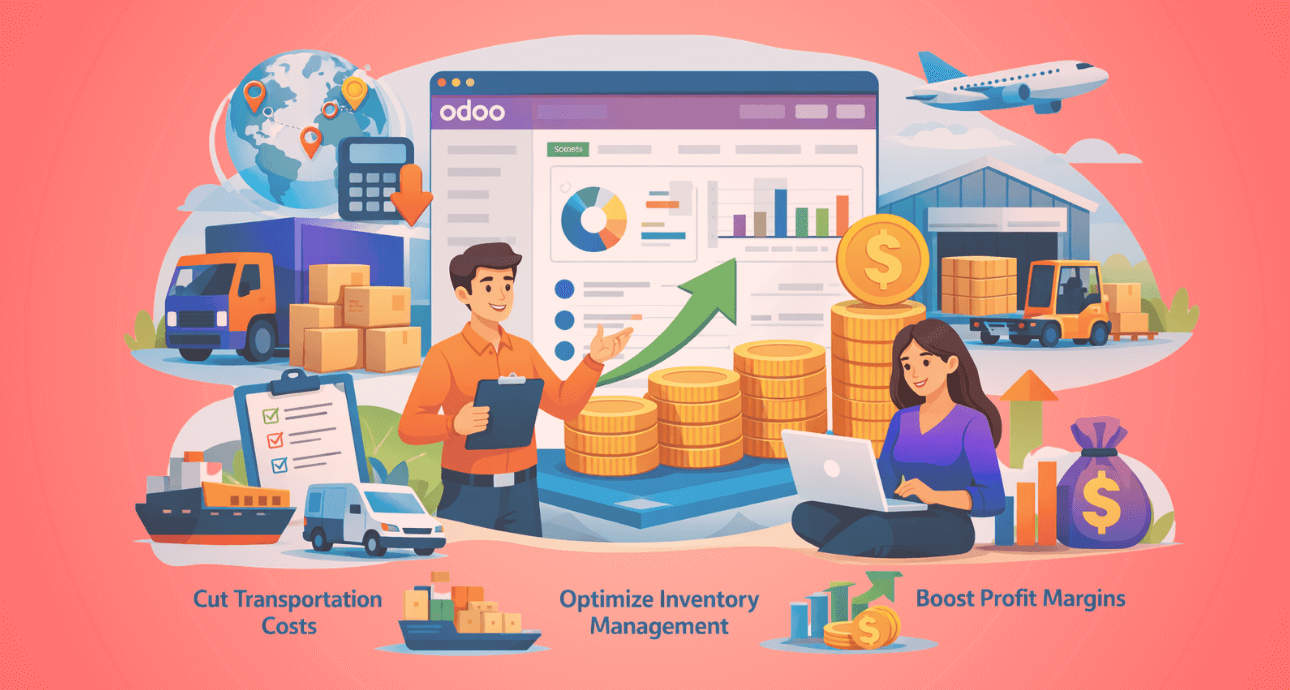
When organizations implement structured shipping cost optimization and automation, they achieve measurable financial and operational improvements. Profit margins increase due to lower freight expense, while competitive pricing becomes sustainable without margin erosion. Faster and more reliable delivery improves customer experience and reduces cart abandonment in eCommerce environments. Fulfillment operations scale efficiently as order volume grows without proportional logistics cost increases.
Shipping efficiency therefore becomes not merely a logistics improvement but a strategic competitive advantage.
Conclusion: Shipping Is No Longer Just Logistics — It’s Strategy
Shipping charges directly influence pricing, profitability, customer experience, and scalability. Businesses that continuously analyze shipping cost drivers, compare carriers, optimize packaging, and automate logistics workflows gain long-term financial advantage. In markets where product differentiation is narrowing, logistics efficiency increasingly determines whether an order generates profit or loss.
02 Comments
fluconazole 100 mg
04/04/2026fluconazole 100 mg
fluconazole 100 mg
diflucan generico
15/04/2026diflucan generico
diflucan generico